
Screening Toolkit
Purpose of the Toolkit
Our Goal. Art is a powerful way to bring education to the larger community. This toolkit serves to engage colleges and universities, non-profits, and other community partners with the film’s themes and messages.
Our Approach. We facilitate educational and collaborative activities that prompt audiences to reflect upon and connect with the film. While this toolkit includes suggested activities, we aim to work adaptively with partners to design learning experiences.
Outcomes. By participating, audiences contribute to co-created art projects that reflect their learning. This engagement also prompts audiences to articulate how the film might impact their future actions.
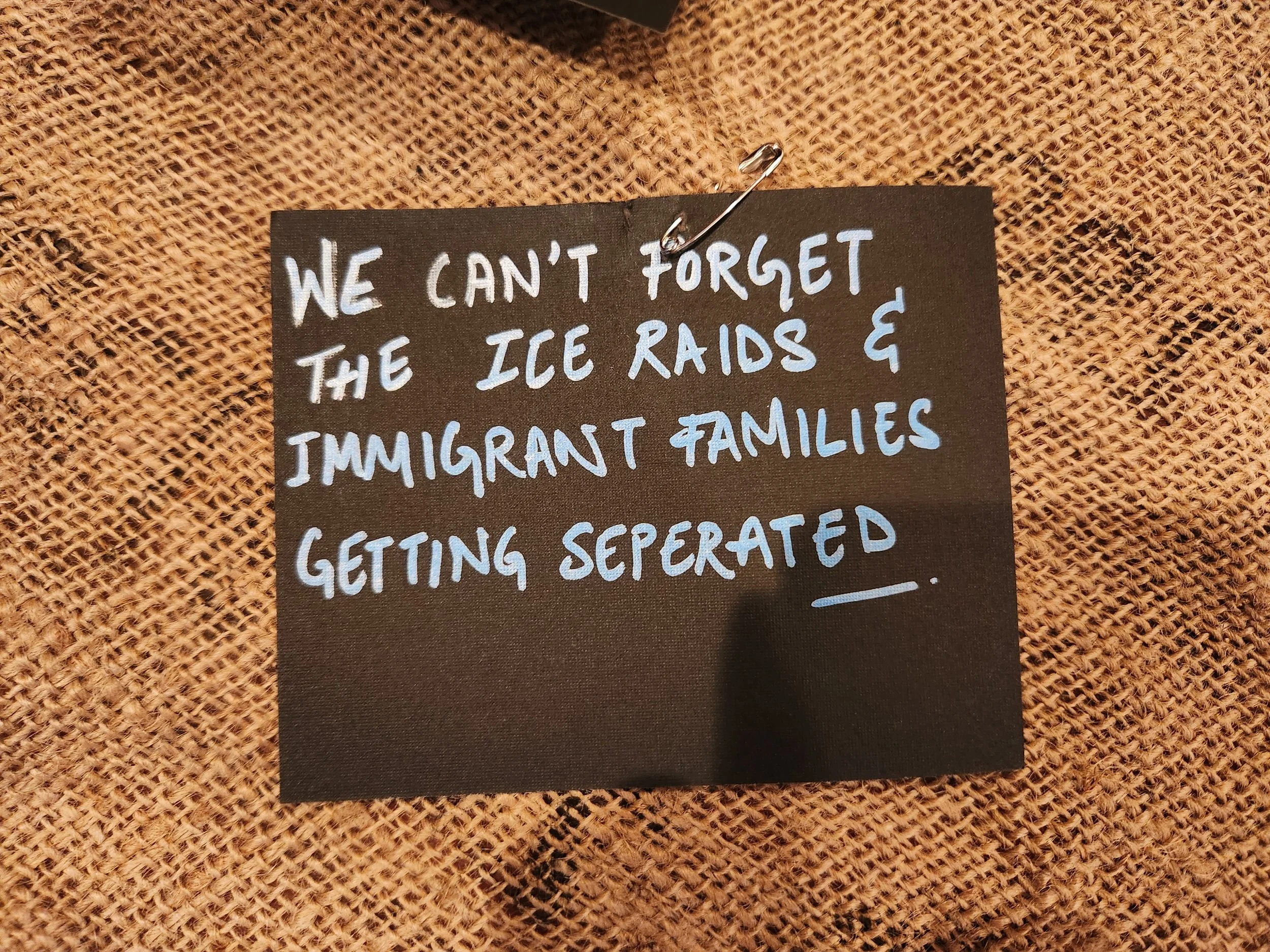
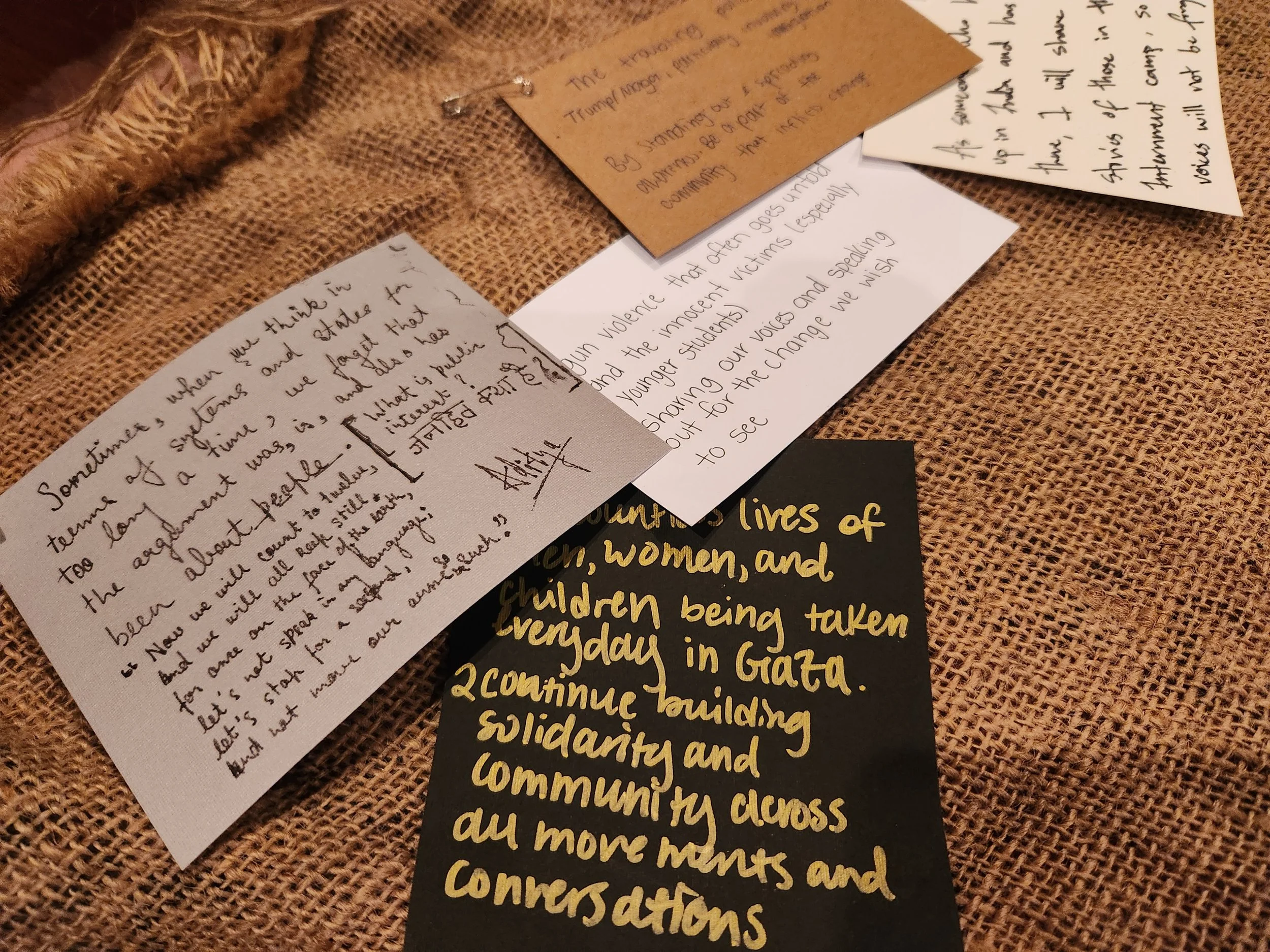
A student’s response to the question: 1) “What is one history unfolding now that cannot go forgotten?”
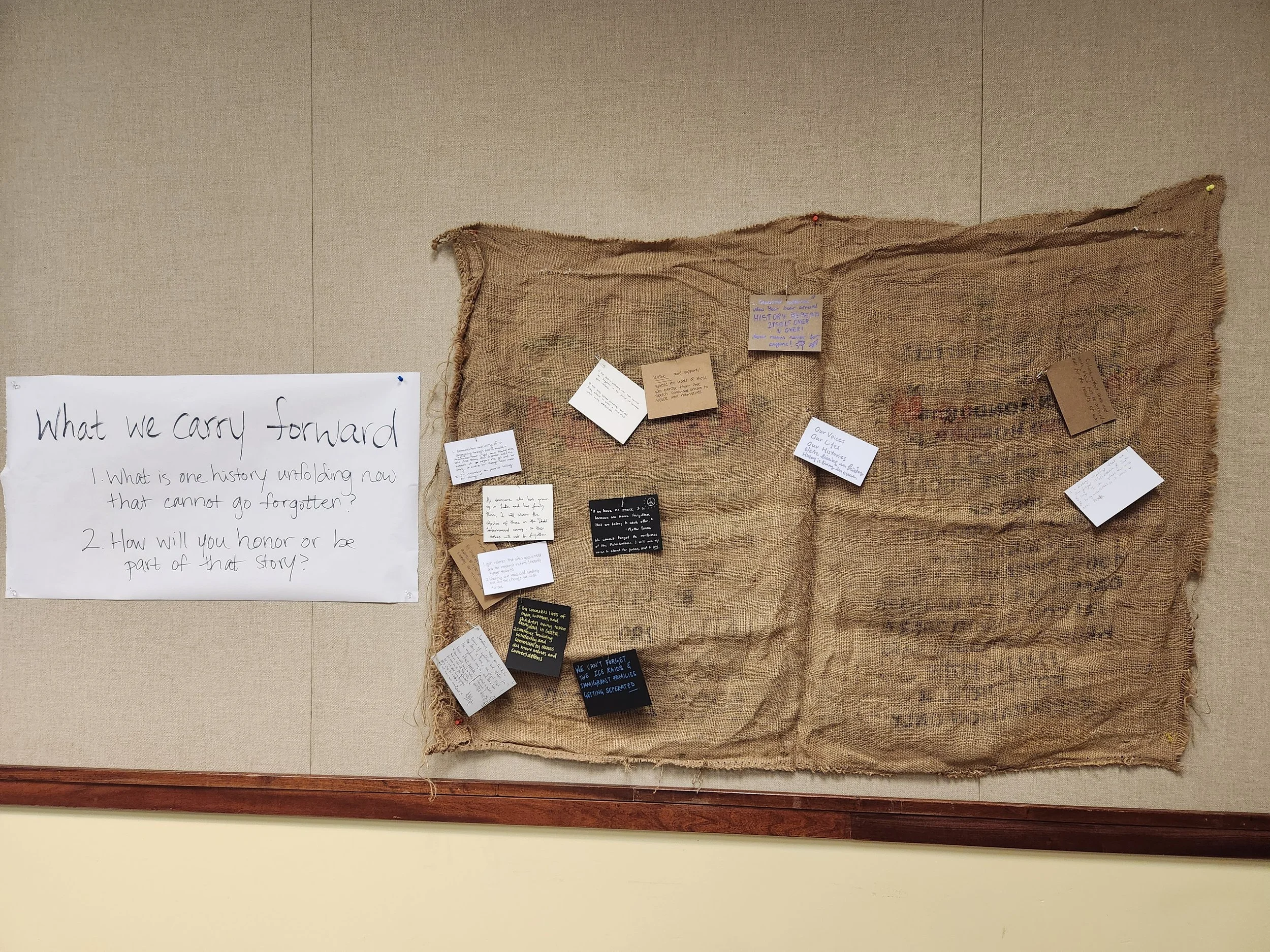
Collaborative art representing participants’ connections between stories in the film and their own lived experiences.
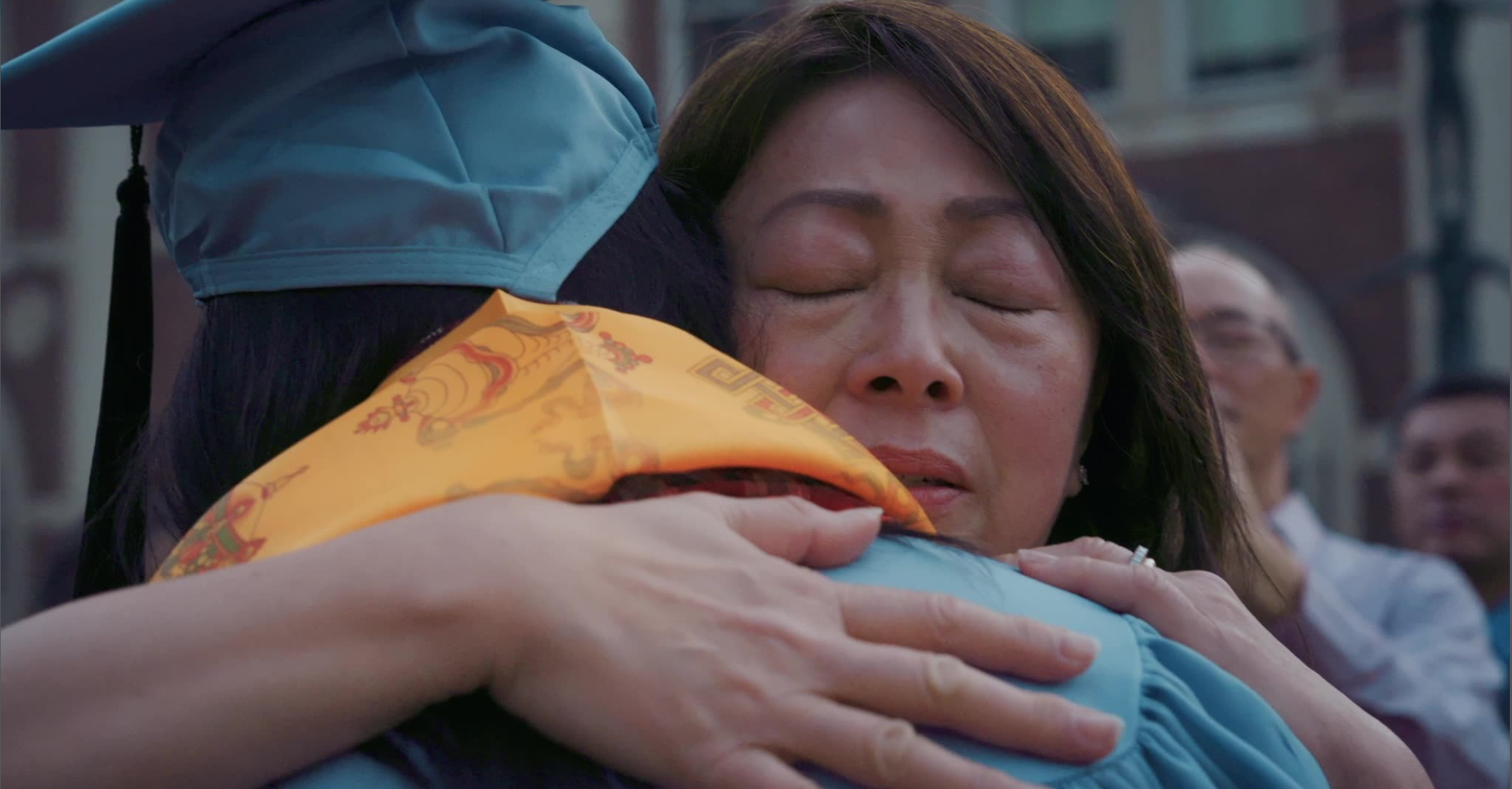
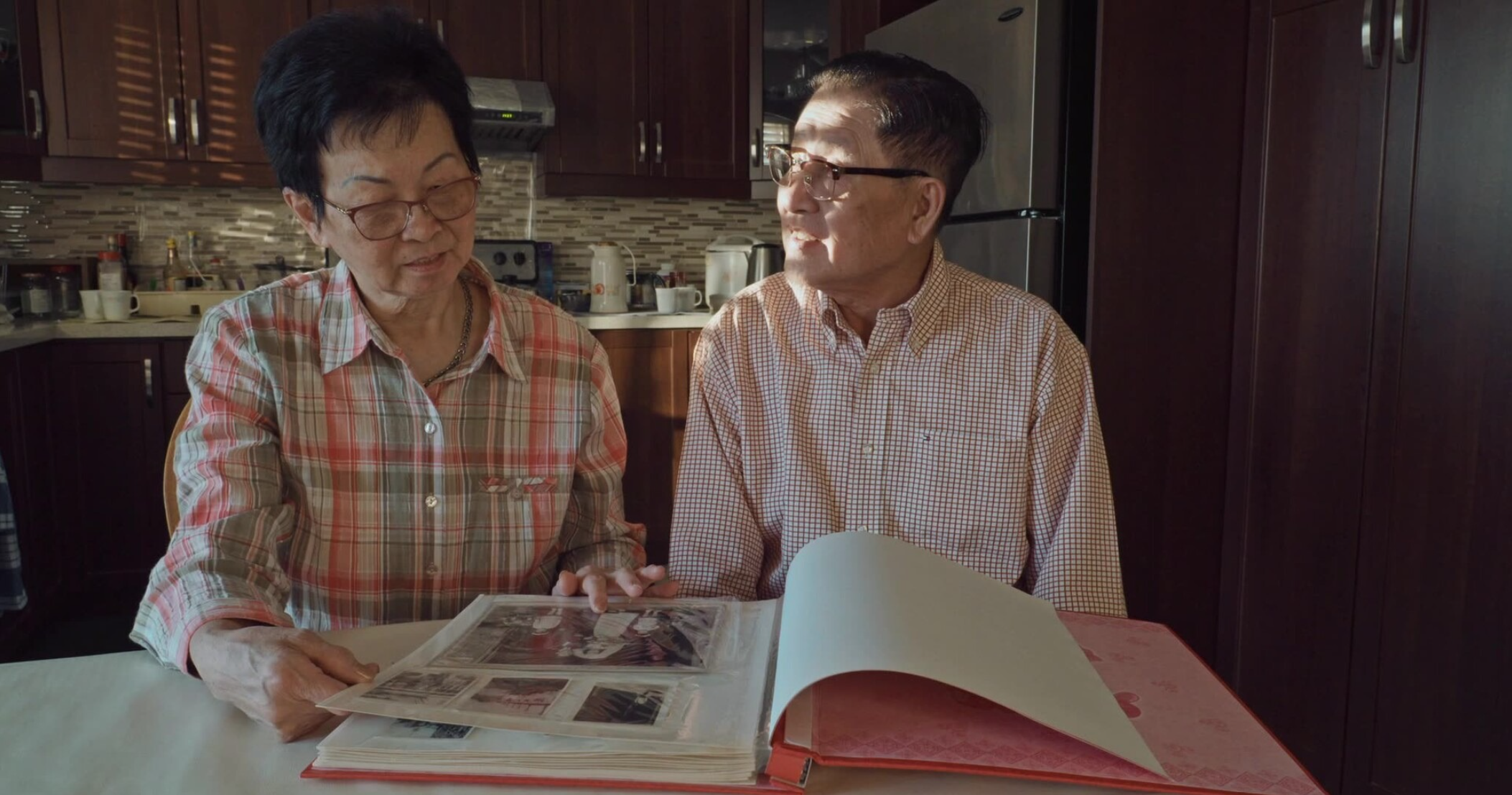
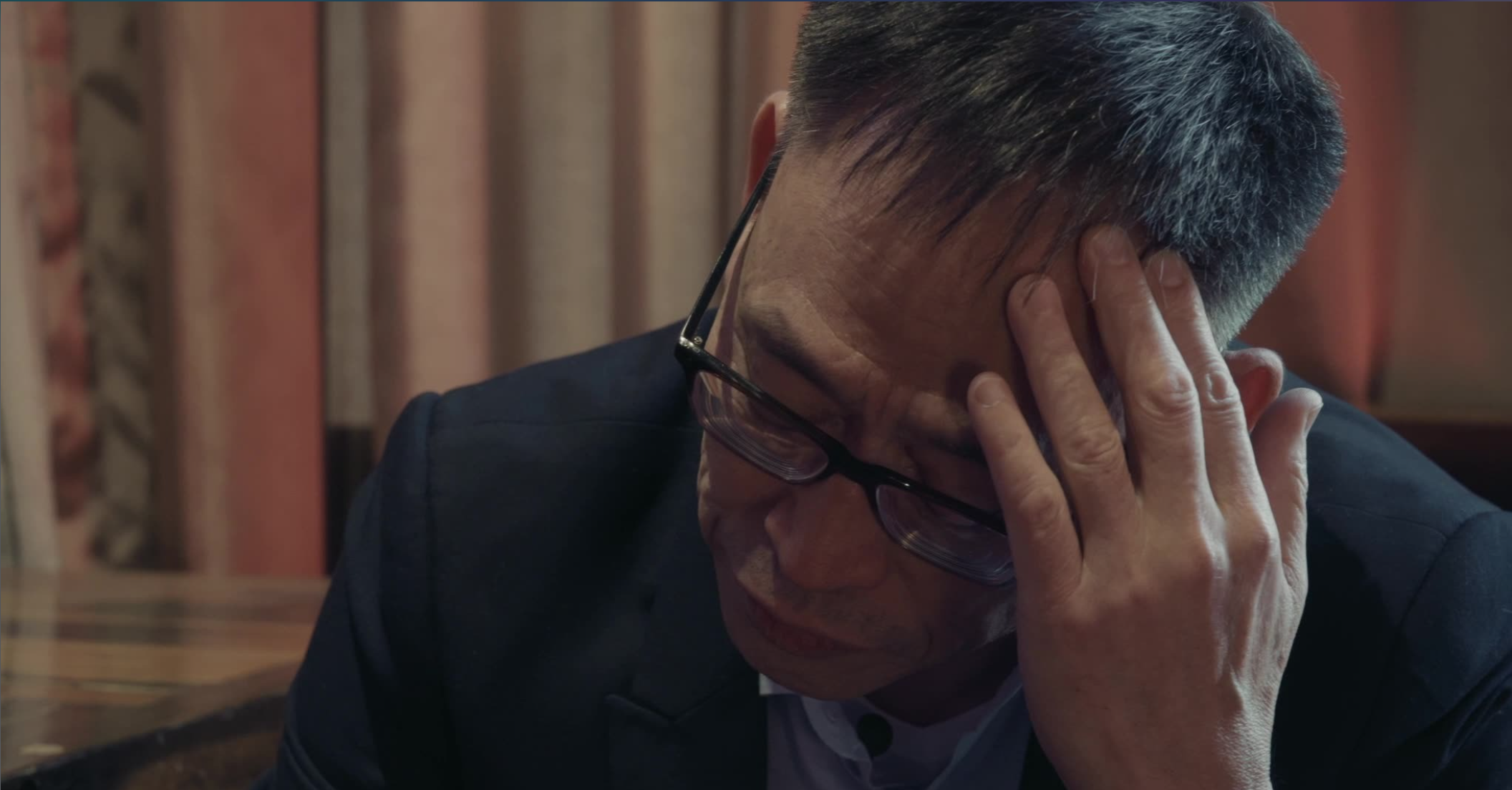
How long have you kept a secret?
Sixty years ago, about 3,000 Chinese-Indians were forcibly removed and incarcerated in Deoli Internment Camp in Rajasthan, India. While some may have heard about the border war that led to this, few know about what happened to people of Chinese ancestry who had been living for generations in India. Some of them were incarcerated for under a year, while others were incarcerated for as many as six.
The Indian government has not apologized for this incarceration of civilians and citizens, continuing to leave an open door for future policies in favor of internment.
“Voices of Deoli” tells the survivors’ stories: release from the camp, their decisions to leave the country they called home, and their reconnection with each other and India after a sixty-year-old secret.
Themes Explored
Some of the key themes that are explored in the film are:
Hybridity
Identity
Hyphenation
Third cultures
Third spaces
Multiculturalism
Incarceration
Intergenerational trauma
Social memory
Justice
Redressing history
Reparations
Shame
Silence
Documenting history
Forgotten history
Abandonment
Collective memory
Key Audience
Our educational program was designed with university students in mind, and it can be easily adapted for other adult audiences.
We welcome requests to adapt any of the activity guides for your group’s learning goals.
🎯Learning Objectives
By the end of the film and program, viewers and audiences will:
Engage with topics including trauma, belonging, memory, and justice
Relate historical events like the 1962 internment to their own experiences
Collaborate on a community art project that represents collective power and memory
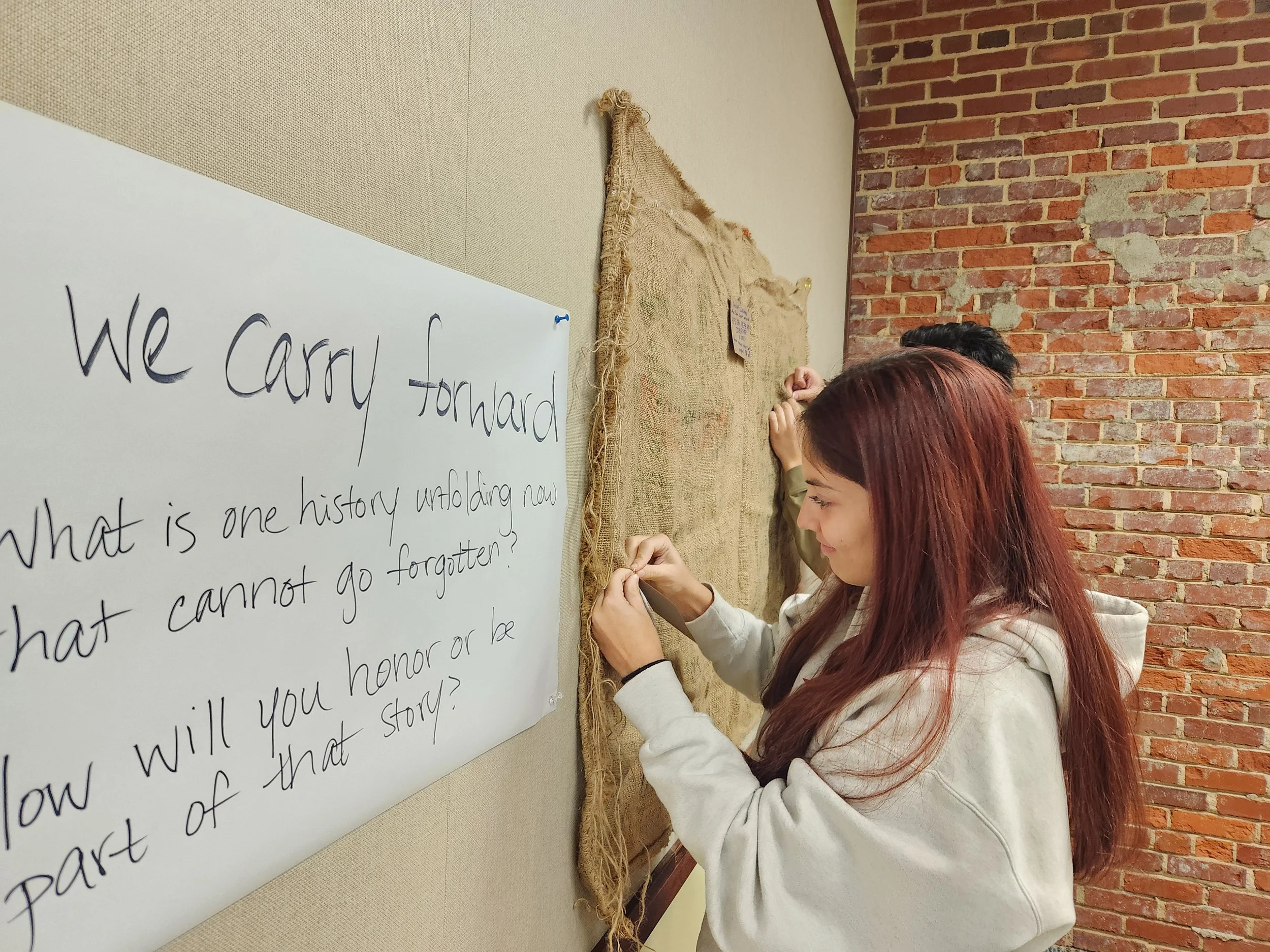
Students at Davidson College participating in post-screening activity.
Screening Preparation
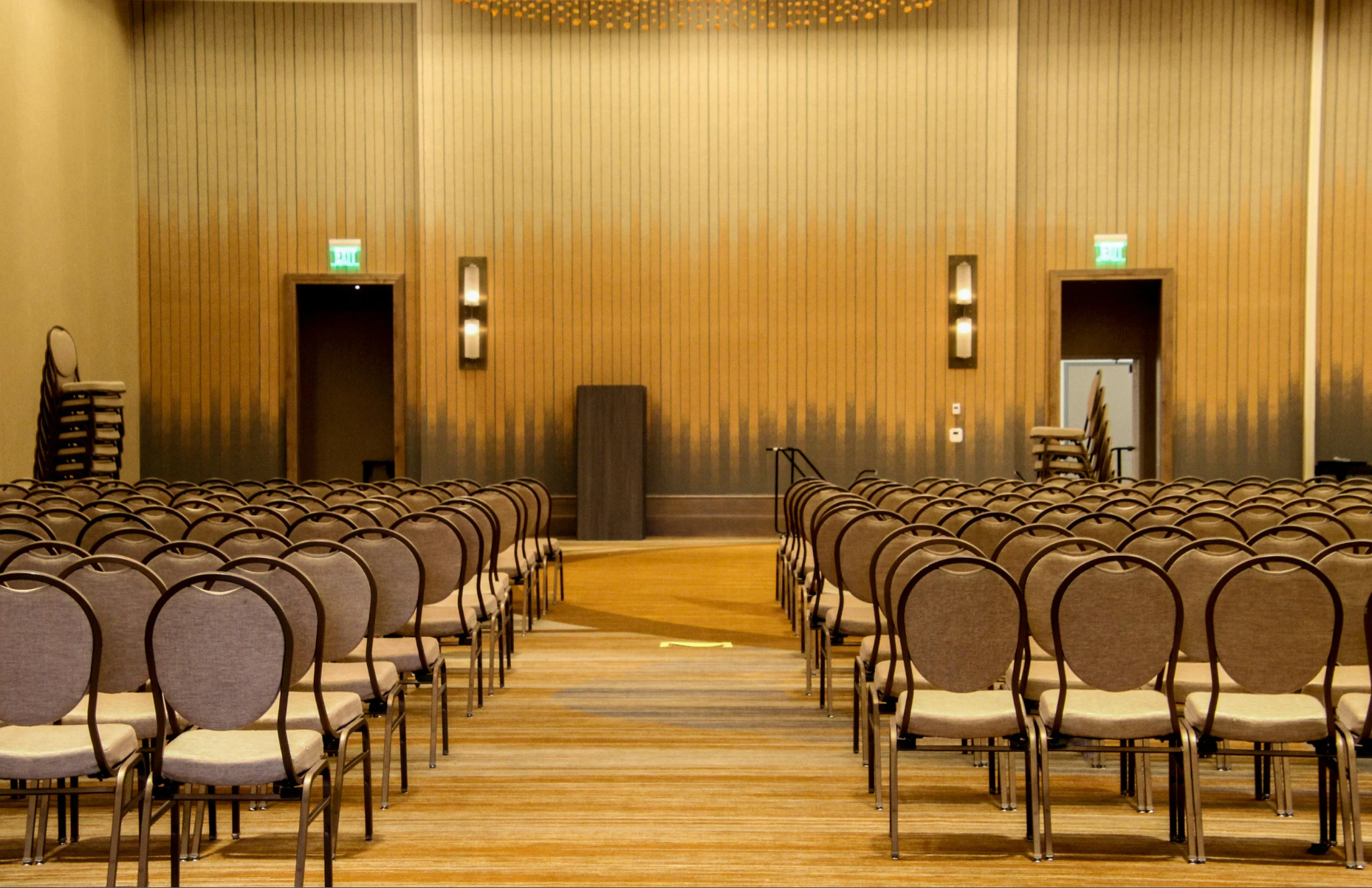
⚙️Technology. At a minimum, a screening requires a sound system, projector and screen, and sufficient and accessible seating for the expected number of audience members.
🪑Seating. We recommend reserving rooms that are auditorium-style or arranging chairs in rows facing the screen such that the audience can view the screen without straining their bodies.
👣Space. To best accommodate activities, we appreciate some cleared space where participants can physically move around with ease.

Activity Suggestions
You can find a slide deck containing each activity’s detailed prompts and preparation instructions by scanning this QR code or clicking the button below.

We offer activities that can be differentiated according to group size and learning objectives. Each activity is expected to take about 25-30 minutes following the film. Additionally, we are open to working with partners to create an activity that best fits the themes or lessons.
🧵Threads of Memory
Themes: intergenerational trauma, belonging, shared history
Group Size: any group size (no breakout groups needed)
Purpose: To help participants reflect on how their sense of home and belonging evolves through the lens of the film, and to visualize shared emotional threads within the group.
🔊 “Loud Silence”
Themes: Silence, healing
Group Size: 30+ (best in small circles of 6–8)
Purpose: To explore silence and to practice deep listening as a form of healing.
🎭“Silent Acts”
Themes: Silence, healing, power
Group Size: 30+ participants (best in small circles of 6–8)
Purpose: To explore silence as both a survival strategy, a means of power, and a site of pain.
✉️“Postcards to the Past” – Writing for Healing
Themes: Redress, shared/collective memory, reconciliation
Group Size: any group size (no need for breakout groups)
Purpose: To invite participants to engage in a personal act of reflection and connection — writing a letter that bridges generations, giving voice to unspoken stories and ancestral memory.
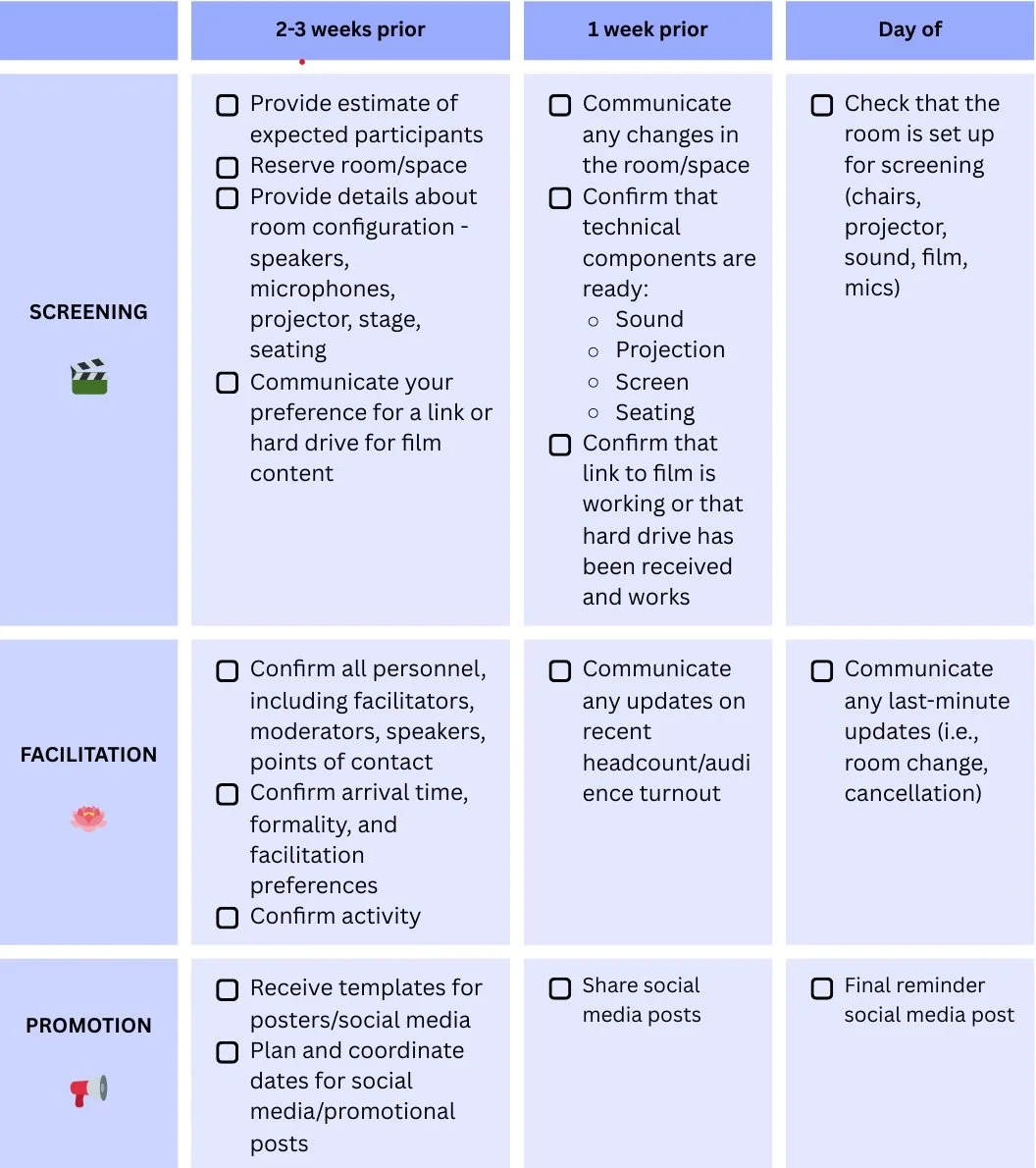
Program Timeline & Checklist
This chart provides a general timeline and checklist of action items to prepare a screening. You can also access a downloadable version below.
We care about your feedback
After the screening, we will share the survey below to get both event organizers’ and audience members’ feedback about the process and activities.
Resources
If you would like to explore the history of Deoli Internment Camp, we recommend checking out the following resources to better understand the community’s context:
The Desi Chinese Project – website that documents the history of the Chinese-Indian community
“Deoli Camp: An Oral History of Chinese Indians from 1962 to 1966” – thesis by Kwai-yun Li
The Deoliwallahs: The True Story of the 1962 Chinese-Indian Internment - by Joy Ma and Dilip D’Souza, 2020
Doing Time with Nehru - by Yin Marsh, 2016
You can access this entire toolkit by scanning this QR code or clicking the button below.

This toolkit was created by Yeeva Cheng.